The Legalisation of Online Casinos in the USA


The US online gambling market is enormous, with revenues from just the online casino segment reaching $6.29 billion in 2024, according to numbers on Statista. By 2029, they are projected to reach $10.11 billion, with the number of users projected to be 50.3 million. This is undoubtedly a massive feat for an industry that is legal in only a handful of states and is often overshadowed by online sports betting.
However, it’s still remarkable as it’s only a handful of decades in the making, and its biggest days are yet to come. But when did this start, and how did we get to where we are? If you want to find out, join us on this comprehensive journey, where we explore the history of online casino gaming in the US.
Timeline
1994
Antigua and Barbuda passes a law allowing for licenses to be issued to online casinos. In the same year, Microgaming launched the first gambling software casino platforms can use.
1997
The online gambling market has as many as 200 casinos. Most of these operate in the US, but the market is not regulated.
1999
The Internet Gambling Prohibition Act is introduced in the US Senate. Its goal is to ban any businesses from offering online gambling products to US citizens. However, it’s not passed.
November 2002
The US Court of Appeals of the Fifth Circuit rules that the Federal Wire Act of 1961 prohibits sports betting transactions but doesn’t affect transactions connected to online games of chance. The Department of Justice claims the opposite.
2003
Famous exclusive US casino, 888.com, launches in the country.
April 2004
Google and Yahoo ban all online gambling advertisements because of the DOJ’s stance.
October 13, 2006
The Unlawful Internet Gambling Enforcement Act is passed. It prohibits all online transactions connected to illegal forms of gambling. It causes numerous online gambling platforms to stop accepting US citizens.
April 15, 2011
Founders of the three biggest online poker sites are indicted for UIGEA violations. The event became known as Black Friday among poker players. This friday effectively destroyed the US online poker market in a single day.
June 28, 2012
Delaware legalizes online casinos by passing the Delaware Gaming Competitiveness Act of 2012.
February 13, 2013
Nevada passes the AB 114 measure, legalizing online poker. The bill doesn’t mention online casinos.
February 23, 2013
New Jersey makes online gambling legal for ten years.
November 2013
The first casinos launch in Delaware, marking the start of the online casino industry in the state.
November 21, 2013
New Jersey launches the first legal online casinos.
October 30, 2017
Governor Tom Wolf sings HB 271, making online casinos legal in Pennsylvania.
March 27, 2019
West Virginia legalizes online casinos and poker with the West Virginia Lottery Interactive Wagering Act.
July 18, 2019
The first two Pennsylvania online casinos launch their service.
December 20, 2019
Michigan passes a massive gambling bill that makes online casinos, sports betting, and DFS legal.
July 15, 2020
The first online casino in West Virginia starts operating.
January 2021
The first Michigan online casinos open their virtual doors.
May 27, 2021
Connecticut legalizes online casinos.
June 22, 2023
Rhode Island legalizes online gambling when Governor McKee sings measure SB 948. Bally gets exclusive rights to be the only operator in the state.
October 19, 2021
The first online casinos in Connecticut are launched.
July 7, 2023
New Jersey Governor Murphy signs an extension to the online casino bill, giving the market an additional five years to operate.
March 5, 2024
Bally launches its online casino in Rhode Island, marking the beginning of the online gambling market in the state.
Birth of Online Gambling and Monumental Expansion in the Early Days
Online gambling started outside of the US, specifically in 1994, when the small Caribbean nation of Antigua and Barbuda passed a law that allowed licenses to be granted to online casinos.
Microgaming, a famous casino game provider, created the first gambling software in the same year, while CryptoLogic, an online security firm, developed the first security software. This led to the creation of the first online casinos, and only 15 of these existed in 1996, but the number surpassed 200 only a year later.
Also, in 1996, one of the first internationally recognized iGaming regulators, the Kahnawake Gaming Commission from Canada, was created.
In these early days, with not many rules or laws, online casinos were incredibly simple and featured only a handful of games, like InterCasino, one of the first platforms to succeed. Moreover, another one of the pioneers, Casino-on-Net, advertised everywhere. It was a simple online casino with only a few basic table games and fewer than a dozen online slots.
Most of the players were likely from the US, so most sites primarily operated in the States, including the first online poker rooms that gained considerable attention there.
1998 was also a pivotal year for the industry because it was the year Microgaming released the first online jackpot slot game, CashSplash.
Uncertainty in the Legal Sphere
The lack of control over this new market led to the introduction of the Internet Gambling Prohibition Act to the US Senate in 1999. It aimed to ban any company from offering online gambling products to Americans, but it didn’t pass.
The market continued expanding rapidly, boasting over 700 online casinos at the dawn of the 3rd millennium. In 2003, the first US-exclusive online casino, 888.com, launched in the country. It’s a name many remember two decades later.
Despite the law not passing, internet gambling in the US was still technically illegal, as the Federal Wire Act of 1961 prohibited interstate and international transitions.
The US Court of Appeals of the Fifth Circuit ruled in November 2002 that the act prohibits transactions for sports betting. However, it also affirmed that it doesn’t prohibit transactions dealing with games of chance.
On the other hand, the federal Department of Justice claimed that the Act affects all forms of gambling. Due to that stance, in April 2004, both Google and Yahoo, the two biggest search engines at the time, decided to ban all online gambling advertisements from their sites.
Naturally, that didn’t affect the whole market, which continued growing globally. Then, in 2006, things worsened for the US players.
Introduction of the Unlawful Internet Gambling Enforcement Act
As online gambling continued expanding globally, with numerous sites offering its services to US citizens, the 109th United States Congress decided to pass the UIGEA bill in 2006. The Unlawful Internet Gambling Enforcement Act effectively prohibited businesses from conducting payments related to illegal forms of gambling.
The act excluded fantasy sports (as long as they meet specific requirements), legal intertribal and intrastate gaming, and skill games (this caused numerous poker sites to continue operating in the US since poker is primarily considered a game of skill, not luck). On the other hand, the law didn’t specifically mention interstate horse racing betting or state lotteries.
Here’s a brief timeline of events surrounding the law:
- The bill was introduced by Jim Leach (R–IA) on November 18, 2005.
- It passed the House on July 11, 2006, with a 317–93 vote.
- It passed the Senate on September 14, 2006, with complete support (98-0).
- President George W. Bush signed it into law on October 13, 2006.
Numerous legitimate international online gambling sites decided to stop accepting players from the US soon after.
The law had its biggest effect on April 15, 2011, when the founders of the three biggest US poker sites at the time — PokerStars, Absolute Poker, and Full Tilt Poker — were indicted for charges that, among others, included UIGEA violations. The day quickly became known as Black Friday among US poker players. Most people involved in the case eventually pleaded guilty.
The online poker industry in the US was effectively whipped out after Black Friday, and it never really recovered. Only select states decided to regulate and legalize online poker in the years since, and those are largely the same states that have legalized online gambling in general.
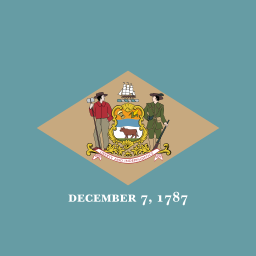
Delaware Becomes the First State to Legalize Online Gambling
UIGEA banned payments to illegal gambling sites, but it wasn’t written to affect regulated gambling markets. As there were no obstacles for states to regulate online casino gambling, and since there was already a push in a few states to legalize the practice, Delaware decided to be at the forefront of change.
The government legalized online casino gambling and online poker by passing the Delaware Gaming Competitiveness Act of 2012. Gov. Jack Markell signed it into law on June 28, 2012, officially making Delaware the first state to legalize online casinos.
The law tied online gambling to the state’s three racinos and created a single pool of players but three platforms for gaming. The state lottery got the right to oversee the whole market.
All three platforms launched in 2013, offering slots, blackjack, and other casino games.
Everyone aged 21 or above was allowed to join, provided they are physically located in the state.
Due to Delaware’s small population and unique regulations, the market hasn’t changed since it was created.
The Curious Case of Nevada
People familiar with legal online casinos in the US know well that Nevada doesn’t have any. For those unaware of this, it’s probably peculiar that the central gambling hub in the US doesn’t have any online casinos.
This is partly because the bill that made online poker legal in Nevada, AB 114, passed on February 13, 2013, doesn’t mention specific casino games, only “interactive gambling.” Another important reason is that Nevada doesn’t have much interest in gambling outside of Las Vegas, where land-based commercial casinos dominate the market.
The state technically doesn’t prohibit casino gambling, and the law is open to interpretation, but that doesn’t change the fact that there are no legitimate real-money online casinos.
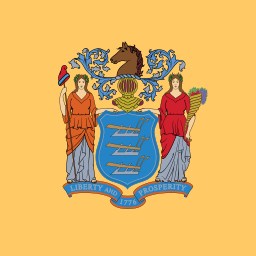
New Jersey — Pioneer in Online Gambling Laws
New Jersey almost became the first state to legalize online casinos in January 2011 when the state legislature passed a bill that would legalize online gambling for NJ residents aged 21 or over. However, Gov. Chris Christie vetoed the bill.
The state legislature overwhelmingly passed a revised Internet gambling measure on February 23, 2013, and was soon signed into law by Gov. Christie. The law made online gambling legal for a ten-year period only on websites connected to Atlantic City casinos and introduced a 15% tax.
The main requirements for players were:
- To be at least 21 years old
- To play from a device located in New Jersey
The first six online casinos launched simultaneously on November 21, 2013, and the first online poker rooms launched only a few days later.
It’s worth noting that Gov. Murphy signed an extension legislation on July 7, 2023, giving the online casino market an additional five years to operate.
Pennsylvania Joins the Fold and Quickly Becomes One of the Biggest Markets
After New Jersey legalized its online casino market, there weren’t many moves in other states until Pennsylvania jumped on the bandwagon in 2017. Governor Tom Wolf signed the HB 271 bill on October 30, 2017, making online casinos legal.
It took some time, but the first two online casinos launched on July 18, 2019, and many more followed suit in the time since. That number rose to 24 by late 2024. This includes most highly popular sites operating in other states, like BetMGM, BetRivers, Caesars, and DraftKings.
The casinos are regulated by the Pennsylvania Gaming Control Board (PGCB). Players must be physically in the state and at least 21 years old to play.
West Virginia and Michigan Enter the Industry in 2019
After Pennsylvania, the next state to enter the small online casino gambling market was West Virginia. It legalized these and online poker platforms in March 2019 with the passing of measure HB 2934, or the West Virginia Lottery Interactive Wagering Act.
Interestingly, it passed by landslide margins in both the House and the Senate, but Governor Jim Justice didn’t sign it. However, since he didn’t veto it either, the law took effect on March 27.
The market launched in July 2020, when the first online casino, DraftKings, opened its virtual doors. Only four years later, the state had seven online casinos.
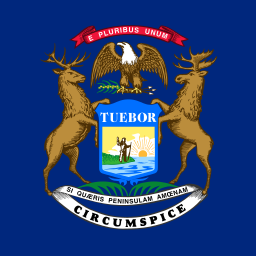
As for Michigan, it has had iLottery on offer since November 2014, so the state is not a stranger to some form of online gambling. However, the full legalization of online gambling, sports betting, and DFS came in December near the end of 2019. The legislation passed the Lawful Internet Gaming Act, legalizing these verticals.
The first Michigan online casinos launched their virtual doors more than a year later, in January 2021. By 2024, the state already had 15 online casinos, making it one of the biggest online gambling markets in the US.
The Story of Social and Sweepstakes Casinos
The concept behind social and sweepstakes casinos has existed for a long time. Social casino gaming is effectively not a form of gambling. The practice mimics online casinos but doesn’t require the use of real money.
Sweepstakes have existed in the US for decades. It was only a matter of time before casino gaming and this concept was connected.
In essence, the sweepstakes model allowed for a legal way for people across the US to enjoy casino games online and yet still have a chance to obtain real money prizes. This is done with the help of sweep coins, which can be obtained for free, won through games, and later redeemed for real money prizes or gift cards.
The model is legal across the US as it falls under sweepstakes rules, which are regulated in most states.
Despite being there for years, social and sweepstakes casinos only began rising in popularity with the onset of the COVID-19 pandemic. Free time and more disposable income during these years, coupled with the fact that real money online casinos are illegal in most of the US, have spurred the market’s growth.
By 2024, there were already over 45 online sweepstakes casinos on the market, and over ten of these had launched in that year alone, showing the industry’s exponential growth.
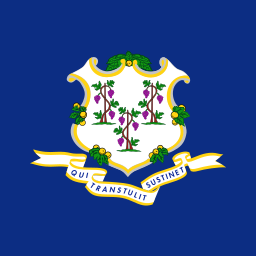
Connecticut — Another Small State Joins the Online Gambling World
The trend of Northeastern states legalizing iGaming continues in 2021 with Connecticut. The Constitution State legalized both iGaming and sports betting on May 27, 2021, when Governor Ned Lamont signed the measure HB 6451 into law. The market launched on October 19, 2021.
The Department of Consumer Protection (DCP) Gaming Division became the regulator for the new market, and only players aged 21 or above were given the chance to join.
Being a small state, only FanDuel (Mohegan Sun) and DraftKings casinos launched since then, making Connecticut one of the smallest iGaming markets in the US.
Rhode Island Continues the Slow Trend by Legalizing Online Casinos in 2023
Rhode Island became the seventh state to legalize online gambling on June 22, 2023, when Governor Dan McKee signed SB 948 into law.
The law previously passed the Senate on June 8 with 33–4 votes and the House on June 15 with 59–11.
However, this measure hasn’t made a full online gambling market but extended Bally’s offline casino monopoly into the online world. In other words, Bally’s online operator Gamesys is the only one Rhode Island plates will get to use for as long as the law remains the same. As for the rules introduced, they are largely the same as in other states — only those physically located in the state and aged 21 or above can join and play online casino games.
FAQs
There’s no specific date as the industry developed slowly on the international level. However, it’s safe to say that it began between 1994 and 1996, during which period the first online casinos launched, most of which also operated in the US. However, it’s important to note that this wasn’t regulated, and the first legal online casinos came much later, specifically in Delaware in 2013, which was the first state to regulate the market.
Gambling legality in the US is primarily left to the individual states. The last time gambling was outlawed throughout the country was in the 1900s. This effectively ended when Nevada decided to legalize casinos again in 1931, after Prohibition.
No, online gambling is not regulated at the federal, only at the state level. By 2024, as many as seven states have legalized online casinos, while Nevada has online poker sites. Over 30 states have legalized online sports betting, which became the main focus since 2018, when PASPA was overturned.
The entire online gambling market (both sports betting and casino gaming) was worth almost $25 billion in 2024. Of that, the online casino segment is worth $6.29 billion, while online lottery is worth $4.39 billion. The rest belongs to sports betting.
Yes, gambling winnings are subject to taxes, according to the IRS. However, the exact amounts differ depending on the type of gambling. Moreover, you need to consider both federal and state taxes because some states tax gambling winnings. This is a much bigger topic, and it’s better to research it on your own. You may also contact a professional to see how it affects you personally.